
What 'Preparedness Without Panic' Actually Means
It's not about fear. It's about capability — the quiet confidence that comes from skills, systems, and a rig that's ready.
You’ll see those three words all over this site, so let me tell you exactly what they mean — and what they don’t.
Preparedness Without Panic is not about fear. I don’t lose sleep over worst-case scenarios, and I’m not building a bunker. Fear is a terrible teacher and an even worse travel companion.
It’s about capability. The calm that comes from knowing you can handle what the day throws at you — a dead battery at a trailhead, a storm rolling in over camp, a detour that turns a two-hour drive into six. Capability turns “oh no” into “we’ve got this,” and that changes the whole flavor of a trip.
The campfire test
Here’s how I judge every piece of gear, every skill, every system: does this buy us more campfire time?
If it does — if it gets camp set up faster, dinner on sooner, everyone sleeping warmer — it earns its place. If it’s just weight and worry, it stays home. Preparedness should make life bigger, not smaller.
It starts boring
Real preparedness is deeply unsexy. It’s checking tire pressure. It’s knowing where the water shutoff is. It’s a first-aid kit you actually know how to use, and practicing with it before you need it. It’s the 60-second trailhead scan — walk around the rig, look at the tires, the roof, the hitch, the kids’ seatbelts — every single time.
Nobody films that for the internet. Everybody benefits from it.
Bring the family into it
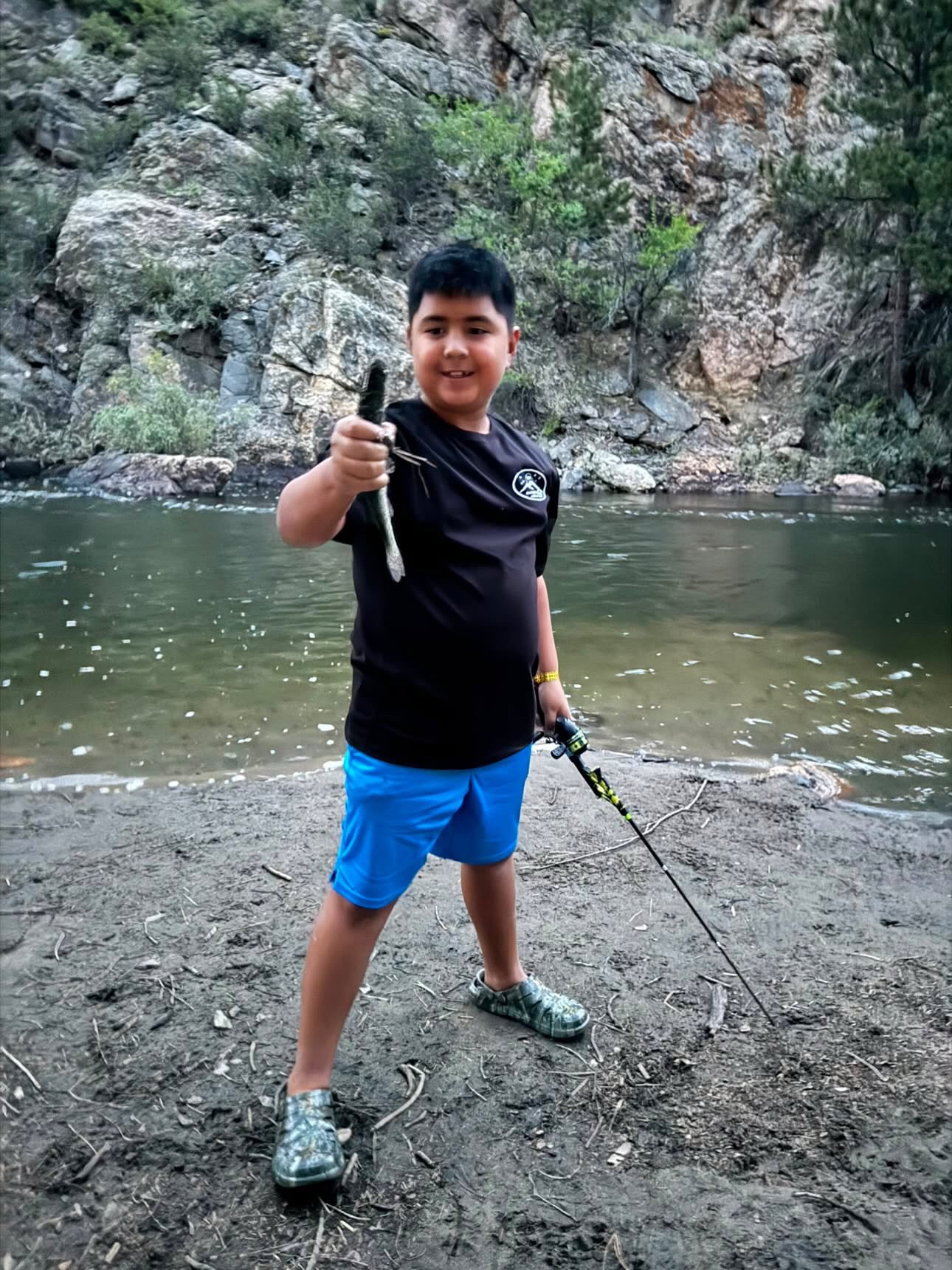
The biggest unlock for us was making Jonah part of the system instead of a passenger in it. He knows where his headlamp lives. He can purify water. He knows the “if we get separated” plan at every new campsite. A prepared kid is a confident kid — and a confident kid has more fun outside.
That’s the whole philosophy. Not panic. Not paranoia. Just a family that’s ready, so we can relax.